Electric Mobility for Healthcare
& Education Access
- Electric minibuses powered by clean energy improve access to schools and support rural healthcare outreach across Ethiopia.
- Revenue generated through our E-Mobility system helps fund school transport and healthcare outreach for underserved rural communities.
Project Partners & Support
Our Solutions
E-bus
Electric Mobility for Rural Access
At the heart of the E-Mobility for Social Impact Initiative is an electric minibus that serves as both a transportation solution and a long-term social investment. Your contribution helps fund the acquisition of an energy-efficient electric minibus that provides safe, reliable, and affordable transportation while generating sustainable income to support community development.
The project has selected the Wuling Yangguang Electric Minibus because it is assembled in Ethiopia, has demonstrated reliable performance under local conditions, and benefits from readily available spare parts and maintenance services. This reduces operating costs, minimizes vehicle downtime, and supports the long-term sustainability of the project.
Operating with an energy consumption of approximately 25 kWh per 100 km and a practical driving range of up to 300 km, the electric minibus provides an efficient and cost-effective transportation solution for rural communities. The vehicle is charged through an EV charging station powered by renewable electricity generated by the project’s solar PV system and supplemented by the national electricity grid. This clean energy approach helps reduce dependence on fossil fuels while improving access to schools, healthcare facilities, markets, and other essential services for families who often face long travel distances and limited transportation options.
Unlike traditional aid projects, the electric minibus is also a revenue-generating social enterprise asset. Income generated through daily passenger transport, school transportation services, medical referrals, and strategic vehicle rentals is fully reinvested into healthcare outreach, educational support, community development initiatives, and the continued expansion of the project—creating a sustainable cycle of impact that extends well beyond the initial investment.
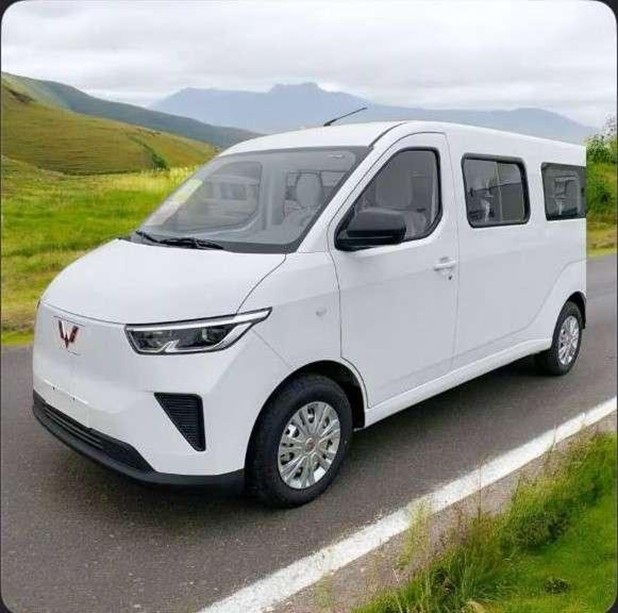
The electric minibus represents a sustainable investment with long-term social returns.
Estimated Investment: Approximately €41,400.
The electric minibus is expected to generate around €14,000 in annual revenue through daily operations and targeted rentals, with all proceeds reinvested into social impact initiatives.
Unlike conventional transportation businesses, all net proceeds generated by the vehicle are reinvested locally to support:
- Community health initiatives
- Medical outreach services
- Educational support programs
- Infrastructure improvements
- Emergency assistance programs
- Expansion of clean transportation services
This self-sustaining model allows transportation services to directly finance social impact activities, reducing dependence on external funding over time.
Electric transportation offers significant advantages for rural development.
The electric minibus operates with exceptional energy efficiency, consuming approximately 25 kWh per 100 km while providing a practical driving range of up to 300 km.
This enables reliable daily operation at low operating costs, allowing more revenue to be reinvested into healthcare, education, and community development programs.
Key benefits include:
- Zero tailpipe emissions
- Lower operating costs compared to fuel-powered vehicles
- Reduced maintenance requirements
- Quiet and comfortable passenger experience
- Reliable performance for daily community transport
- Compatibility with renewable energy charging systems
Combined with our solar-powered charging infrastructure, the vehicle creates a cleaner, more resilient transportation network for underserved communities.
✓ Improved school attendance and educational access
✓ Faster and safer medical transportation
✓ Better access to healthcare services
✓ Increased economic participation and market access
✓ Reduced transportation costs for rural households
✓ Sustainable income generation for social programs
✓ Reduced carbon emissions through clean mobility
✓ Long-term financial sustainability for community development initiatives
Wuling Yangguang Electric Minibus (2025)
Manufacturer: SAIC-GM-Wuling Automobile
Model: Wuling Yangguang EV
Estimated Cost:- € 41,000
Energy Type: Fully Electric Vehicle (EV)
Energy Consumption: Approximately 25 kWh per 100 km
Seating Capacity: 14 Passengers
Color: White / Silver
Dimensions (L × W × H):
4,985 mm × 1,800 mm × 1,975 mm
Driving Range: Up to 300 km (CLTC)
Number of Doors: 5
Motor Type: Permanent Magnet Synchronous Motor (PMSM)
Maximum Power: 75 kW
Maximum Torque: 180 Nm
Total Motor Output: 102 Horsepower
Battery Type: Lithium Iron Phosphate (LFP)
Battery Capacity: 41.86 kWh
Fast Charging: Supported
Fast Charge Time: Approximately 15–20 minutes (20%–80%)
Standard AC Charging Time: Approximately 8 Hours
PV System & Battery System
Clean Energy for Sustainable Development
Reliable clean energy is essential to the long-term success of the E-Mobility for Social Impact Initiative. Your investment helps provide the renewable energy system that powers the project's electric mobility infrastructure, ensuring dependable and sustainable operation while reducing long-term operating costs.
The project combines a dedicated solar photovoltaic (PV) system with battery storage, intelligent inverter technology, and energy management controls to supply clean electricity to the EV charging station. By integrating solar energy with the national electricity grid, the system delivers reliable power while maximizing the use of renewable energy throughout the day.
This clean energy solution reduces dependence on conventional electricity, lowers carbon emissions, and creates a more resilient and increasingly energy-independent infrastructure. Most importantly, lower energy costs allow more project revenue to be reinvested into healthcare outreach, student transportation, and other community development initiatives, strengthening the project's long-term social impact.
Estimated Investment: €32,000.
Approximately €20,000 supports the photovoltaic panels and battery storage system, while a further €12,000 is allocated to charging and intelligent energy management technology, creating a reliable and increasingly energy-independent infrastructure for the project.
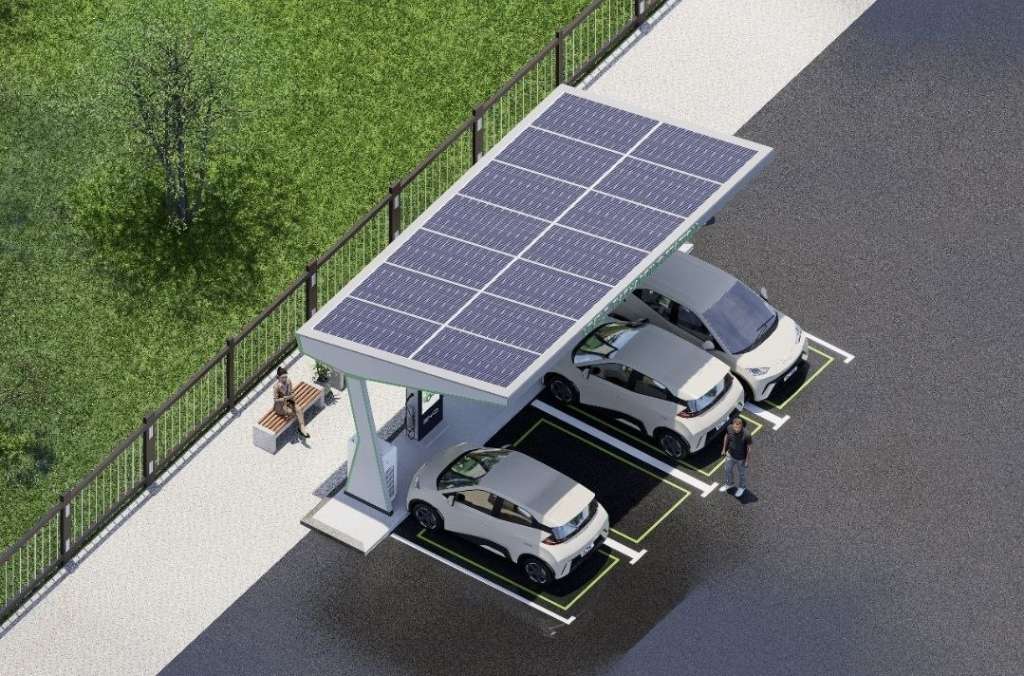
Photovoltaic (PV) System
- System Type: Grid-Connected Solar PV System with Battery Backup
- Primary Purpose: Supply renewable electricity to the EV charging station and support daily project operations
- Solar Technology: High-Efficiency Monocrystalline Solar Panels
- Estimated Installed Capacity: 5–10 kWp
- Estimated Daily Energy Production: Approximately 25–50 kWh (depending on seasonal solar conditions)
- Design Life: 25+ Years
- Scalability: Modular design allowing future expansion
Battery Energy Storage System (BESS)
- Battery Technology: Lithium Iron Phosphate (LFP)
- Estimated Storage Capacity: 25–50 kWh
- Battery Management System (BMS): Intelligent monitoring, protection, and energy optimization
- Primary Function: Store excess solar energy for charging during evenings, cloudy periods, and periods of high electricity demand
- System Integration: Fully integrated with the solar PV system, EV charging station, and national electricity grid
✓ Clean renewable energy for electric mobility
✓ Reduced carbon emissions and environmental impact
✓ Lower operating and energy costs
✓ Reduced dependence on fossil fuels
✓ Reliable charging infrastructure for daily operations
✓ Increased project sustainability and resilience
✓ Greater funding available for community development programs
✓ Demonstration model for renewable energy and electric mobility in rural Ethiopia
The E-Mobility for Social Impact Initiative demonstrates how renewable energy and electric transportation can work together to address real-world development challenges.
The solar energy system does more than power vehicles—it powers opportunity.
By creating a clean, reliable, and sustainable energy source, the project establishes a replicable model for rural development that can be expanded across Ethiopia and beyond.
Every ray of sunlight captured by the system contributes to cleaner transportation, stronger communities, and a more sustainable future.
E-charging Station
EV Charging Infrastructure
Reliable charging infrastructure is the foundation of sustainable electric mobility. The E-Mobility for Social Impact Initiative will establish a dedicated EV charging station integrated with both the national electricity grid and the project's solar PV system, providing reliable, clean, and cost-effective charging for the electric minibus throughout the year.
The charging station is more than infrastructure—it is a long-term community asset. By installing and operating the system locally, the project creates skilled employment opportunities, transfers technical knowledge, and supports the growth of electric mobility across Southern Ethiopia. Revenue generated through commercial charging services is reinvested into station maintenance, future expansion, and community programs, including healthcare outreach and educational support.
Designed for daily commercial operation, the station features dual 11 kW AC charging ports (22 kW total output), supported by intelligent energy management, remote monitoring, and advanced electrical protection systems to ensure safe and reliable performance. Thanks to Ethiopia's comparatively low electricity tariffs, charging remains highly affordable, with electricity costs estimated at approximately €0.018 per kWh, helping reduce operating expenses while strengthening the project's long-term financial sustainability.
Estimated Investment: Approximately €12,000, including the commercial AC charging station, installation, commissioning, electrical infrastructure, and intelligent charging management systems.

✓ Reliable charging for electric transportation
✓ Supports future EV adoption across the region
✓ Creates skilled local jobs and technical expertise
✓ Generates sustainable revenue for social programs
✓ Reduces dependence on fossil fuels
✓ Supports renewable energy integration
✓ Strengthens local economic development
✓ Establishes a scalable clean-energy hub for rural Ethiopia
The charging station is more than infrastructure—it is a sustainable business asset. Revenue generated from charging services is reinvested into station maintenance, healthcare outreach, student transportation support, project expansion, and other community development programs.
- Dual-Port AC Charging: 2 × 11 kW (22 kW Total Output)
- Solar & Grid Connected Operation
- 4.3-inch Smart Touchscreen Interface
- APP & QR Code Charging
- Remote Monitoring (Ethernet, 4G & Mobile App)
- Intelligent Energy Management
- Comprehensive Electrical Protection System
- OCPP 1.6 Communication Protocol
- Commercial Public Charging Capability
- Expandable for Future EV Fleet Growth
Mobile Medical Outreach Equipment
Diagnostic Equipment
The E-Mobility for Social Impact Initiative transforms an electric minibus into a mobile healthcare outreach unit, bringing doctors, nurses, essential medicines, diagnostic equipment, and life-saving medical devices directly to underserved rural communities.
By taking healthcare to the patient instead of the patient to healthcare, the project enables early diagnosis, immediate treatment, preventive care, and timely referral of critical cases.
Equipped with modern diagnostic technology, the mobile unit helps overcome the limited capacity of rural health facilities, allowing healthcare professionals to provide accurate, high-quality medical services where they are needed most.
Equipment
- Portable Digital Ultrasound System
- Portable Digital X-ray System
- 12-Lead Digital ECG Machine
- Multiparameter Patient Monitor
- Portable Oxygen Concentrator
- Portable Defibrillator (AED)
- Medical-grade Examination Lights
- Portable Medical Refrigerator
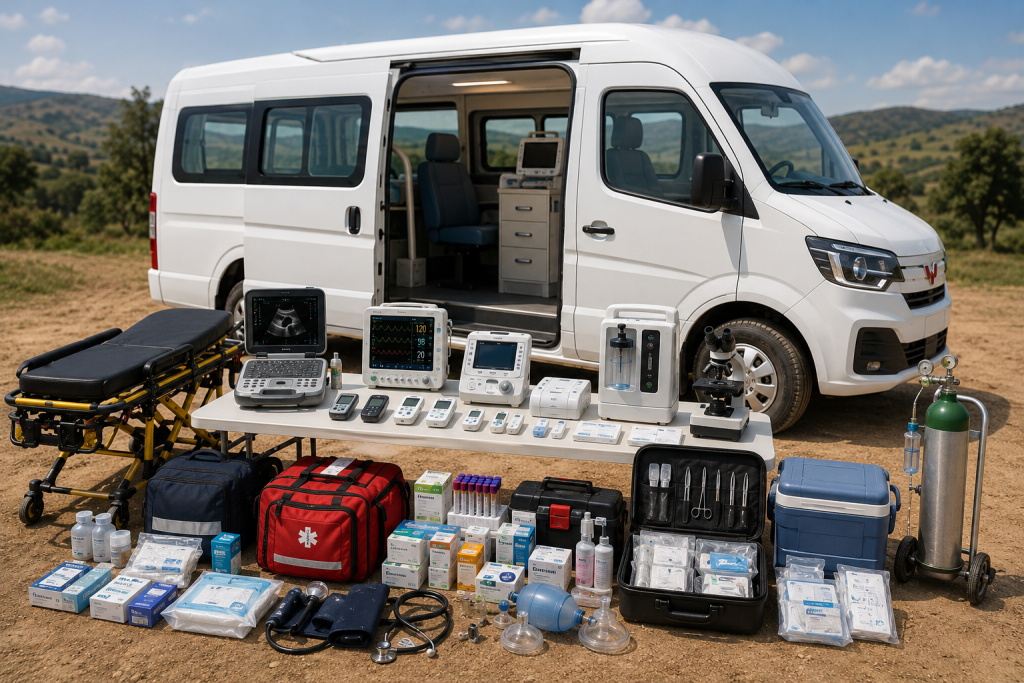
Fast and accurate laboratory testing allows medical teams to diagnose many of the most common diseases affecting rural communities within minutes. A portable laboratory significantly improves clinical decision-making and ensures patients receive appropriate treatment during the same outreach visit, reducing delays and unnecessary travel.
Equipment
- Portable Clinical Chemistry Analyzer
- Portable Hematology Analyzer (CBC)
- Portable Blood Glucose Analyzer
- Hemoglobin Analyzer
- Portable Urine Chemistry Analyzer
- High-Quality Laboratory Microscope
- Portable Centrifuge
- Cold Chain Vaccine & Specimen Refrigerator
- Rapid Diagnostic Test Kits (Malaria, HIV, Hepatitis B & C, Syphilis)
Women and children are among the most vulnerable populations in rural Ethiopia. Portable maternal and child health equipment enables early pregnancy monitoring, nutritional assessment, newborn screening, and preventive care without requiring expectant mothers and children to travel long distances for essential services.
Equipment
- Portable Fetal Ultrasound Scanner
- Handheld Fetal Doppler
- Neonatal Vital Monitor
- Neonatal Resuscitation Kit
- Baby & Adult Digital Scales
- Child Growth Monitoring Equipment
- Portable Vaccine Cold Chain System
Diagnosis alone is not enough. The outreach team is equipped to provide immediate treatment, stabilize emergency patients, and deliver life-saving care before referral to higher-level facilities. This ensures that patients receive timely interventions when every minute matters.
Equipment
- Portable Emergency Medical Kit
- Advanced Trauma & Wound Care Equipment
- Oxygen Therapy System
- Suction Machine
- Nebulizer System
- Portable Infusion Pump
- Emergency Stretcher & Patient Transfer Equipment
- Mobile Medicine Storage Cabinets
- Essential Medicines & Emergency Pharmaceuticals
Problems We Tackle
Healthcare Challenges
A Growing Need for Healthcare Access
The Gamo Zone in Southern Ethiopia is home to an estimated 1.6–2 million residents, with more than 90% living in rural communities.. While healthcare services exist, access remains a major challenge for many rural families due to distance, transportation barriers, and limited availability of specialized care. Most rural health posts provide only basic preventive services, forcing patients to travel to larger health centers and hospitals for diagnosis and treatment.
Limited Access to Care
The zone has 56 health centers and 302 health posts serving rural communities. Despite this network, many patients still face long and costly journeys to access essential healthcare services, particularly specialized medical care, laboratory diagnostics, maternal health services, and treatment for chronic conditions.
In addition, many health facilities struggle to provide basic and essential healthcare due to shortages of medicines, medical supplies, diagnostic equipment, and laboratory capacity. These limitations often result in delayed diagnosis, interrupted treatment, and reduced access to quality healthcare for rural populations.
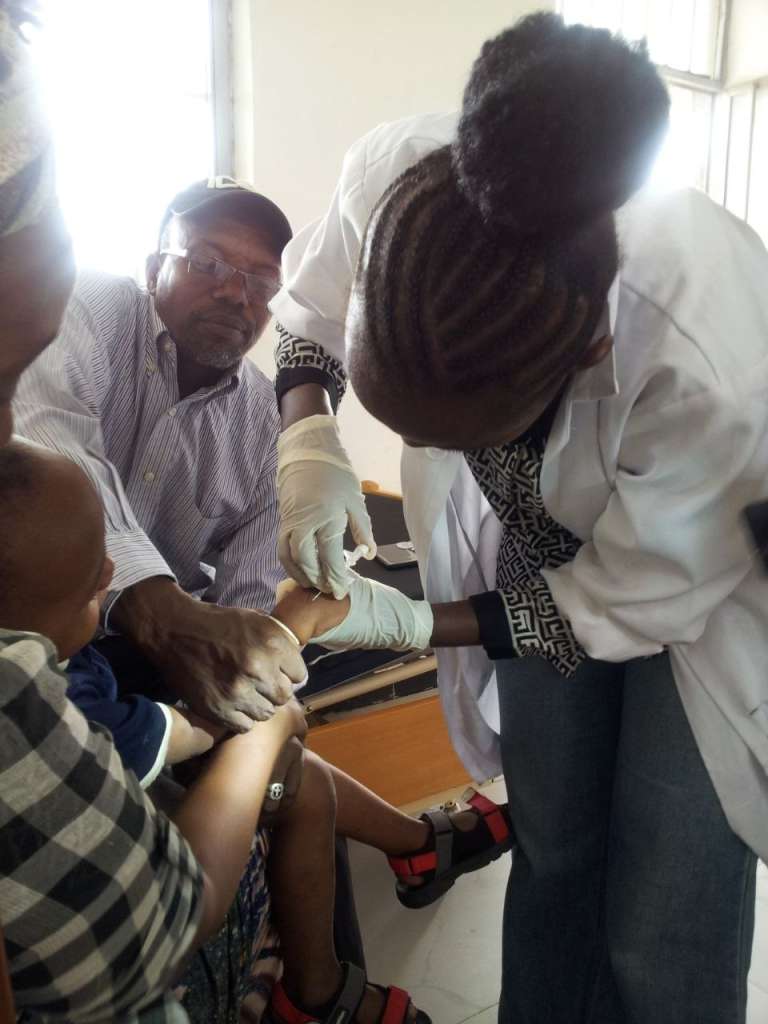
Health challenges disproportionately affect children, pregnant women, elderly individuals, and low-income households living in remote communities. Research from the Arba Minch Health and Demographic Surveillance Site found that 20.1% of women were affected by malnutrition, highlighting broader health and socioeconomic vulnerabilities in the area.
Why This Matters
When healthcare is difficult to reach, illnesses often go untreated, conditions become more severe, and families face greater financial and social hardship. Transportation barriers remain one of the key obstacles preventing rural communities from accessing timely healthcare services.
- Through revenue generated by the electric mobility system, the project will support 3–4 medical outreach missions each year, bringing doctors, medicines, diagnostic services, and health education directly to underserved rural communities. These outreach programs are expected to reach approximately 800–1,200 patients annually, helping improve access to essential healthcare where it is needed most.
Education Access
A Journey to School Should Not Be a Barrier to Learning
Education is one of the most powerful tools for breaking the cycle of poverty, yet many students in rural communities around Arba Minch face significant challenges simply getting to school.
Long travel distances, limited transportation options, and the cost of daily travel make school attendance difficult for many families, particularly those living in remote rural areas.
Transportation Challenges Affect Learning
Many students walk long distances to and from school every day. These journeys often result in fatigue, lateness, absenteeism, and reduced time for study and extracurricular activities.
For low-income families, transportation costs can be unaffordable, forcing some students to miss classes regularly or leave school altogether.
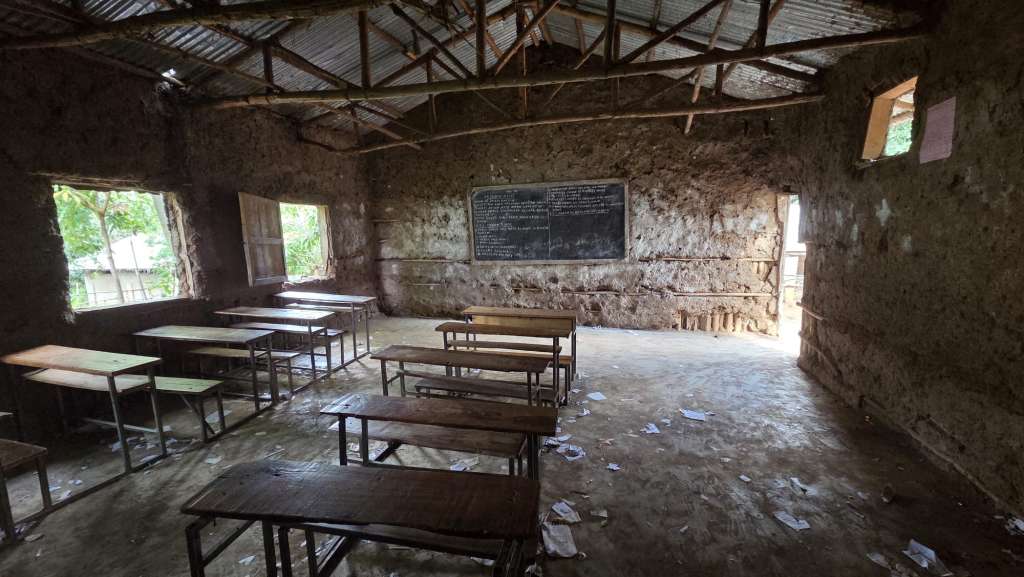
The Gamo Zone is home to an estimated 1.6–2 million people, with more than 90% of residents living in rural communities. While schools are available throughout the region, safe and reliable transportation remains a major challenge for many students traveling between home and school.
Limited mobility not only affects attendance but can also impact academic performance, school completion rates, and future opportunities for young people.
Why It Matters
When students cannot reliably reach school, communities lose future teachers, healthcare professionals, entrepreneurs, and leaders.
Improving access to education is an investment in long-term community development, economic growth, and poverty reduction.
Revenue generated through the E-Mobility for Social Impact Initiative helps support student transportation programs that provide safer, more reliable, and more affordable mobility options for rural students.
By reducing transportation barriers, the project aims to improve attendance, support educational achievement, and help more children remain in school and reach their full potential.
Local Job Creation
A Young and Growing Population
Thousands of young people enter the labor market each year, but opportunities for skilled employment remain limited, particularly in rural communities.Like much of Ethiopia, the region has a large and rapidly growing youth population seeking opportunities to build stable livelihoods and support their families.
Limited Employment Opportunities
Despite the potential and determination of young people in the region, formal employment opportunities remain limited. Most households rely on small-scale agriculture, informal work, and seasonal income sources, while access to technical training, entrepreneurship opportunities, and emerging industries remains low.
As Ethiopia's labor force exceeds 62 million people, creating sustainable local employment has become one of the country's most pressing development priorities.
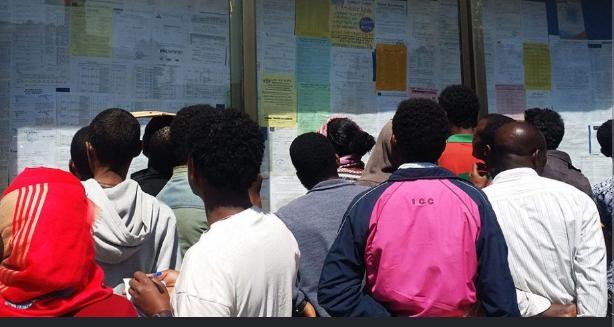
The lack of economic opportunities pushes many young people to leave their communities in search of work elsewhere in Ethiopia or abroad. This migration often separates families, reduces local economic growth, and deprives communities of talented and motivated young people who could otherwise contribute to local development.
A Skills Gap for the Green Economy
New industries such as electric mobility, renewable energy, and charging infrastructure are creating opportunities across Ethiopia. However, many rural communities have limited access to the technical skills, training, and employment pathways needed to participate in these emerging sectors.
Without local capacity building, the economic benefits of new technologies often fail to reach the communities that need them most.
Why It Matters
Job creation is about more than income. It creates dignity, strengthens families, supports local businesses, and helps communities become more resilient and self-reliant.
The E-Mobility for Social Impact Initiative creates direct and indirect employment opportunities through the operation of electric transport services, EV charging infrastructure, solar energy systems, technical maintenance, community outreach activities, and future project expansion.
By introducing new technologies while building local skills and employment pathways, the project helps prepare young people for Ethiopia's growing green economy while ensuring that economic benefits remain within the community.
Clean Energy Transition
Ethiopia Is Leading the Way
Ethiopia is emerging as one of Africa's leaders in clean energy and electric mobility. More than 90% of the country's electricity is generated from renewable sources, and the government has launched an ambitious National E-Mobility Strategy (2025–2030) to accelerate the transition toward sustainable transportation.
The country has already taken bold steps, including becoming the first nation to ban the import of new gasoline and diesel vehicles and promoting the adoption of electric mobility nationwide.
The Energy Security Challenge
Despite this progress, transportation remains heavily dependent on imported fossil fuels. Ethiopia spent approximately $4 billion on fuel imports in 2023, placing significant pressure on foreign currency reserves and exposing the country to global fuel price fluctuations and international supply disruptions.
Global energy market instability, geopolitical conflicts, and rising fuel prices continue to affect developing countries disproportionately, making affordable and reliable transportation increasingly difficult to sustain.

Electric vehicle adoption is growing rapidly across Ethiopia, increasing from approximately 7,000 vehicles in 2023 to a projected 115,000 vehicles by 2026. However, charging infrastructure remains limited, particularly outside major urban centers.
Expanding access to charging infrastructure and renewable energy systems is essential to ensuring that rural communities can participate in Ethiopia's clean transportation transition.
Why It Matters
Reducing dependence on imported fuel strengthens national energy security, keeps more resources within the local economy, lowers transportation costs, improves air quality, and contributes to global efforts to reduce greenhouse gas emissions.
Clean energy is not only an environmental priority—it is also an economic and development opportunity.
The E-Mobility for Social Impact Initiative supports Ethiopia's clean energy transition through electric transportation, solar-powered energy systems, and EV charging infrastructure.
By combining renewable energy with electric mobility, the project reduces dependence on fossil fuels while generating sustainable revenue that supports healthcare outreach, student transportation, job creation, and community development programs.
The project demonstrates how clean energy can create both environmental and social impact, providing a practical model that can be replicated across rural Ethiopia.
Our Social Impact
Turning Mobility Into Community Impact
The E-Mobility for Social Impact Initiative is more than a transportation project. It is a sustainable development model that transforms revenue generated from electric mobility into programs that directly benefit vulnerable communities.
Income generated through the electric minibus, charging infrastructure, and related services is reinvested into healthcare, education, community development, and future project expansion. This approach creates a lasting cycle of impact where clean transportation helps fund social progress.
Flexible donations also help us respond quickly to urgent community needs, allowing support to be directed where it can create the greatest impact at any given time.
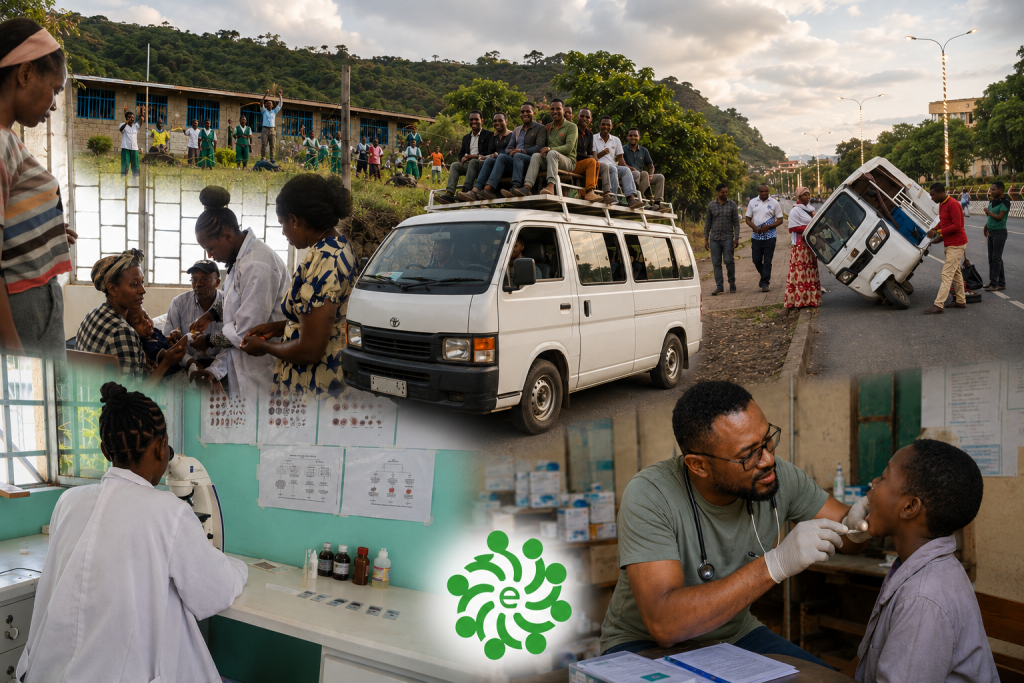
Many rural communities around Arba Minch face significant barriers to healthcare due to distance, transportation costs, and limited access to medical services.
Revenue generated by the project helps fund medical outreach missions that bring healthcare directly to underserved communities through teams of doctors, nurses, laboratory professionals, and other healthcare specialists.
✓ General medical consultations
✓ Essential medicine distribution
✓ Maternal and child health services
✓ Basic laboratory testing
✓ Health education and disease prevention
✓ Referral of critical cases for advanced treatment
Transportation remains a major barrier to education for many children in rural Ethiopia.
Project revenue helps subsidize safe and reliable transportation for students, reducing travel challenges, improving school attendance, and helping keep children in school.
Impact
✓ Improved school attendance
✓ Reduced dropout rates
✓ Safer daily travel for students
✓ Better access to educational opportunities
Our Collaborating Partners